
A tomato plant (the classic annual veggie) typically ripens from seed to fruit in 6-8 months in the PNW. They’re an intensive plant that requires seeding as early as February, babying the seedlings with heat and light, then transplanting to the ground and covering with plastic to protect from cool nights (which stunt their growth),Continue reading “American Guinea Hogs: the perennial pork”
Category Archives: permaculture
The scythe; it really ties the farm together.
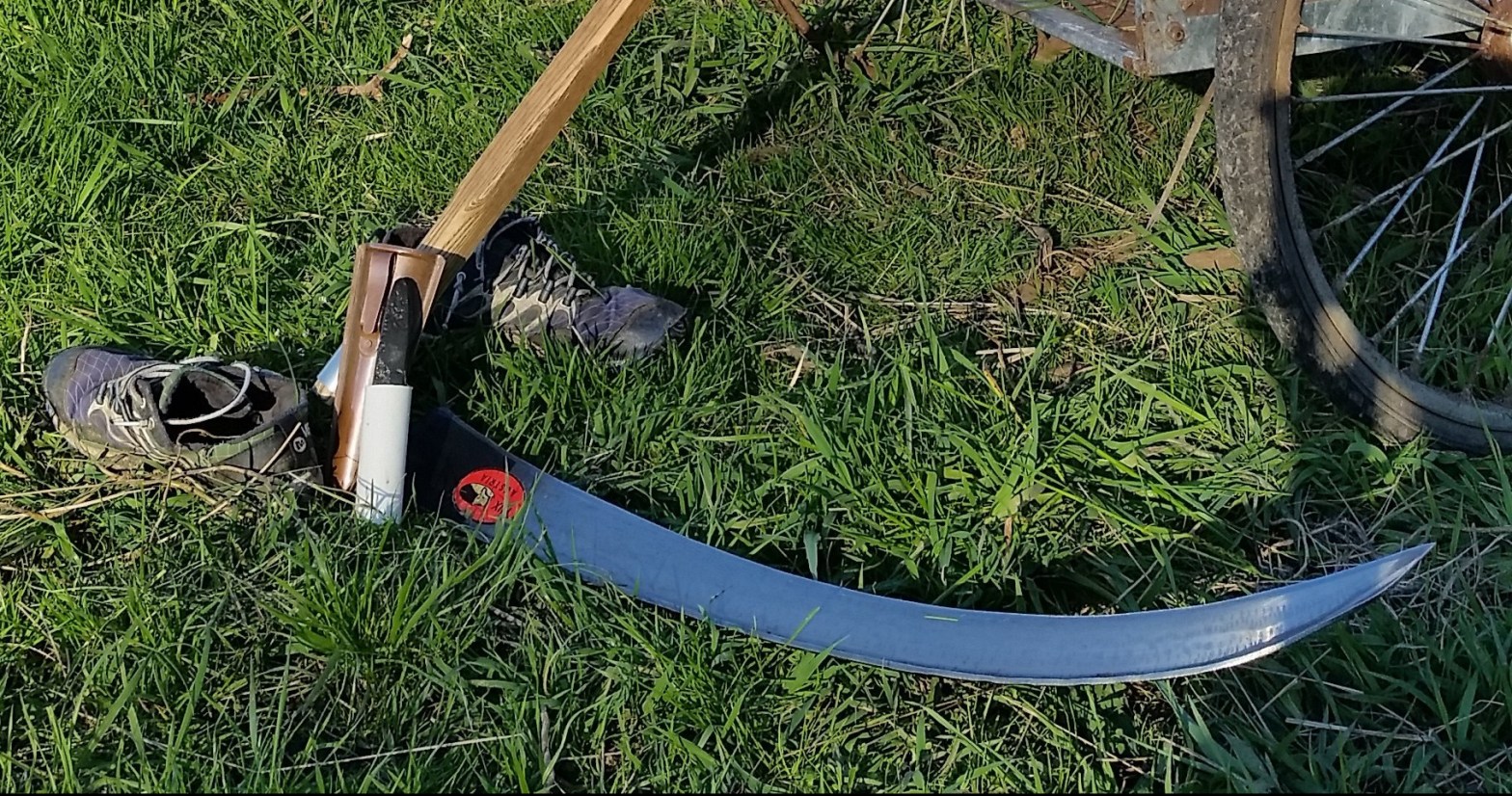
Have you seen the Big Lebowski? The Dude, hopelessly adrift, finds purpose and grand adventure in recovering a stolen rug that was the keystone of his humble abode. That’s how I feel about the scythe on the farm. Like, The Dude’s feng shui, the farm’s flow is totally blocked without it. How strange that theContinue reading “The scythe; it really ties the farm together.”
DIY greenhouse; 11 months in the making.
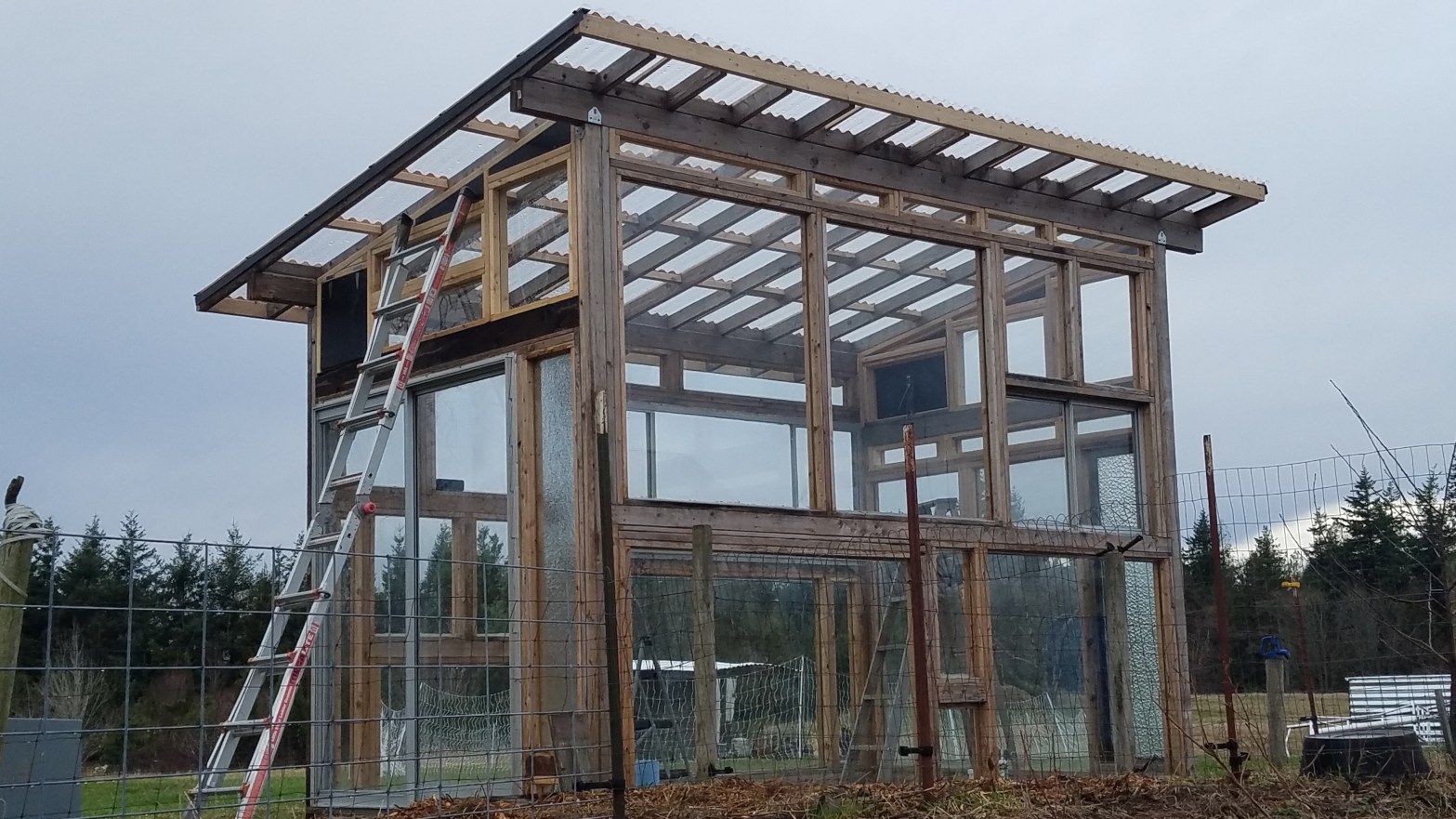
It really is a load off my shoulders and mind. All the design deliberations, cost considerations, material requisitions, and top-of-ladder installations…done. Done, done, DONE! Well, there’s still caulking, painting, and power to run, but that’s pretty mindless… …point is, no more big decisions! Geoff Lawton, of Permaculture Research Institute, says a design is madeContinue reading “DIY greenhouse; 11 months in the making.”
Pastured Poultry > Free Range Chickens = Sanity + Sunflowers
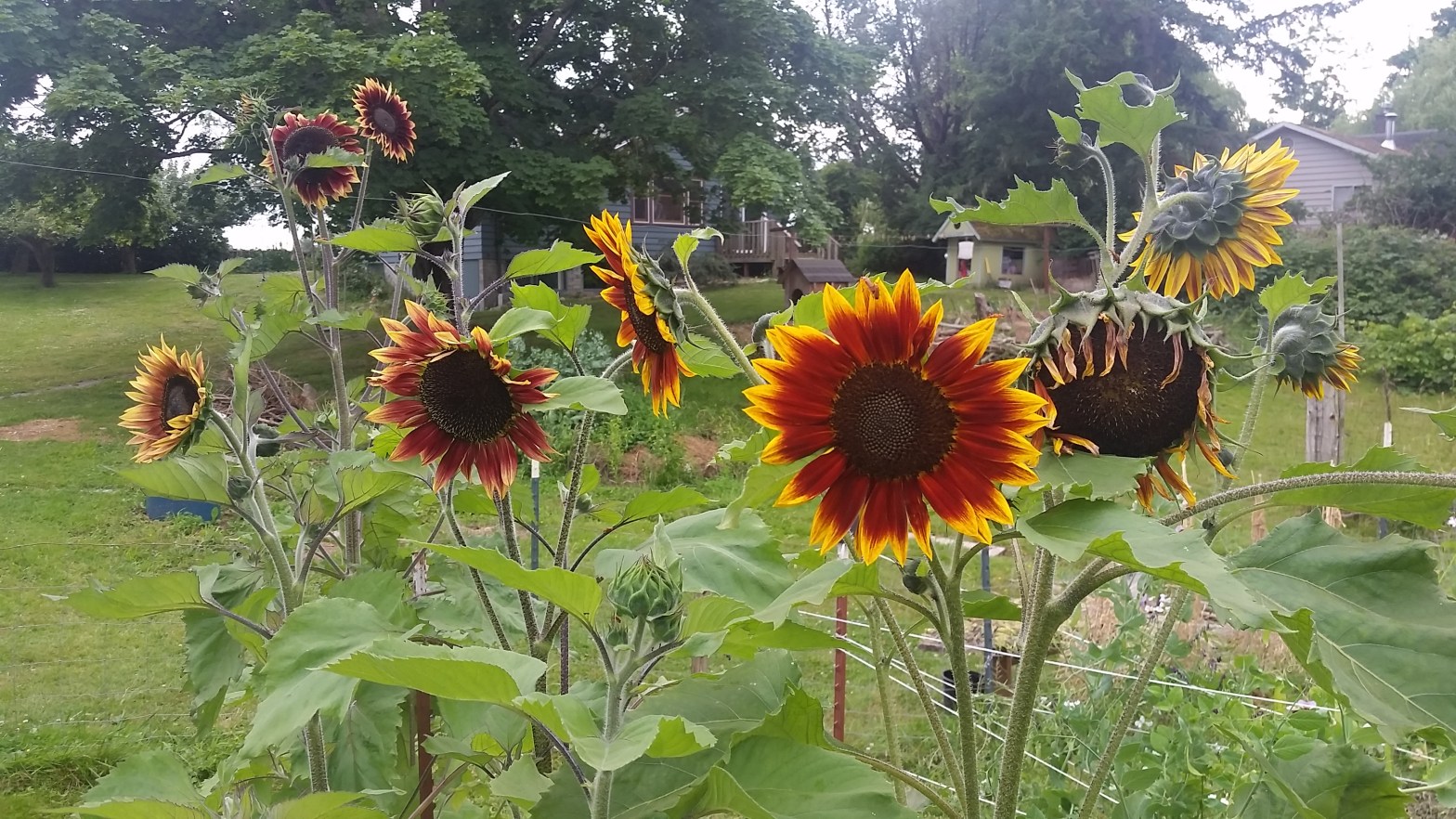
For the first year here it felt like trying to drink from a firehose. Now in year number two, things have seemed much MUCH more manageable. I credit two pivotal points for me that turned it around. One, barn organization. The barn, while small, is centrally located on the front property and so, all projectsContinue reading “Pastured Poultry > Free Range Chickens = Sanity + Sunflowers”
The old Barns of Sunset Avenue
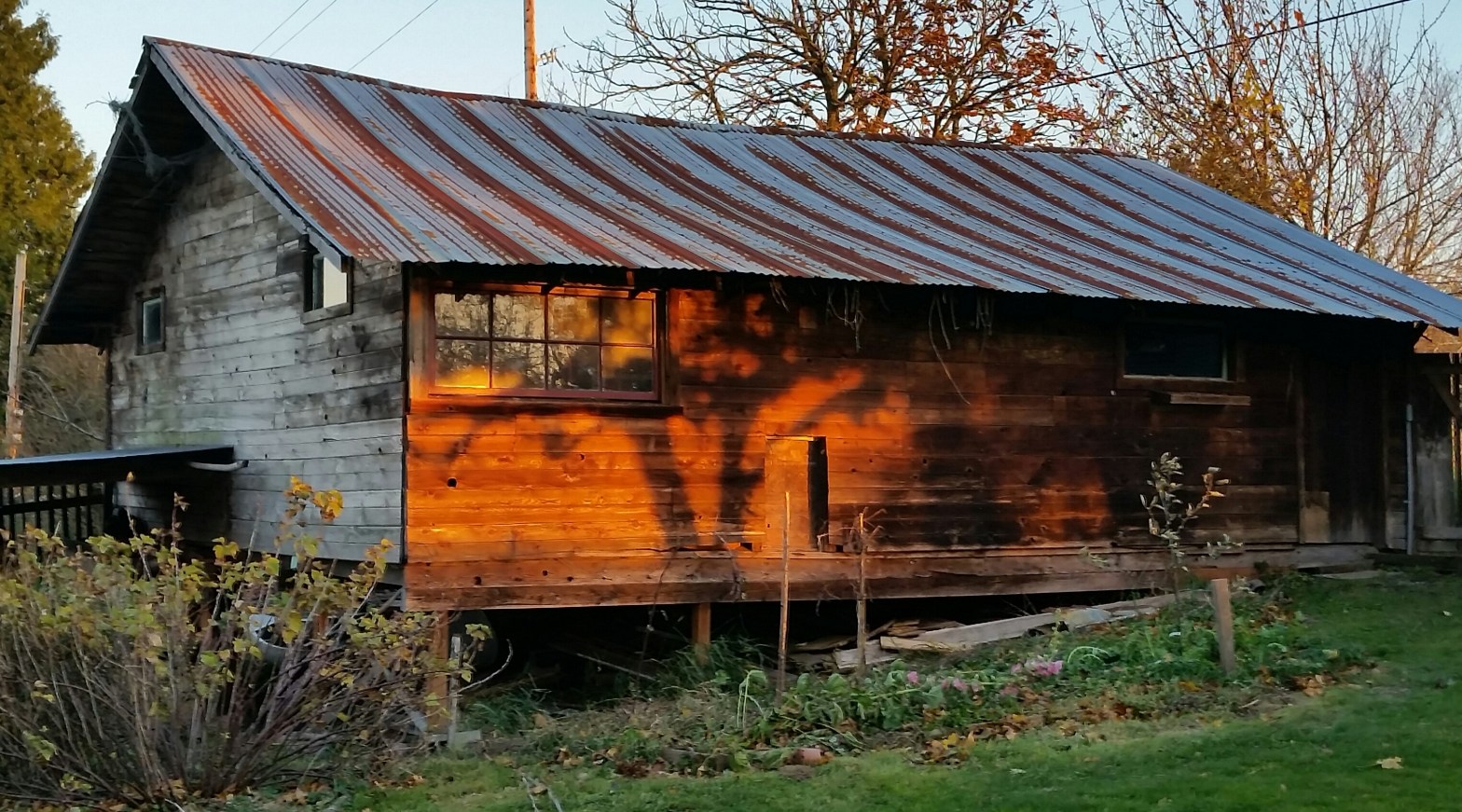
The other day we counted nearly a dozen old barns on our quarter mile street. While a couple are melting back into the landscape, many have been refurbished and a few even still function agriculturally. Mt. Baker can be seen towering above one or two if you get the right perspective and serves as aContinue reading “The old Barns of Sunset Avenue”
Using pigs and chickens to convert pasture to garden beds
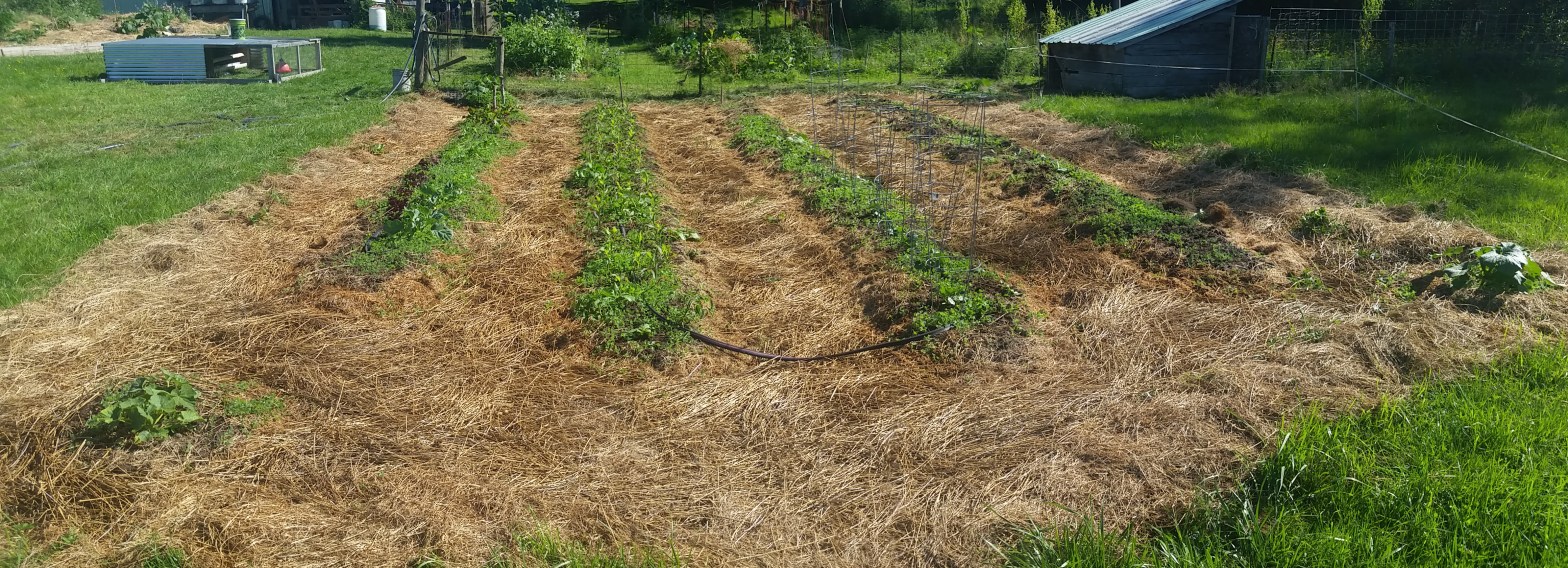
Needing additional space for cabbage, beans, corn, and winter squash, we decided to expand the vegetable garden this year. The ideal location for this row cropping is our level pasture, of which we have WAY more than we can use at the moment. The spot we decided to annex was covered by foot-tall grass, alongContinue reading “Using pigs and chickens to convert pasture to garden beds”
Mole mix; making potting soil out of what you (might) have lying around.
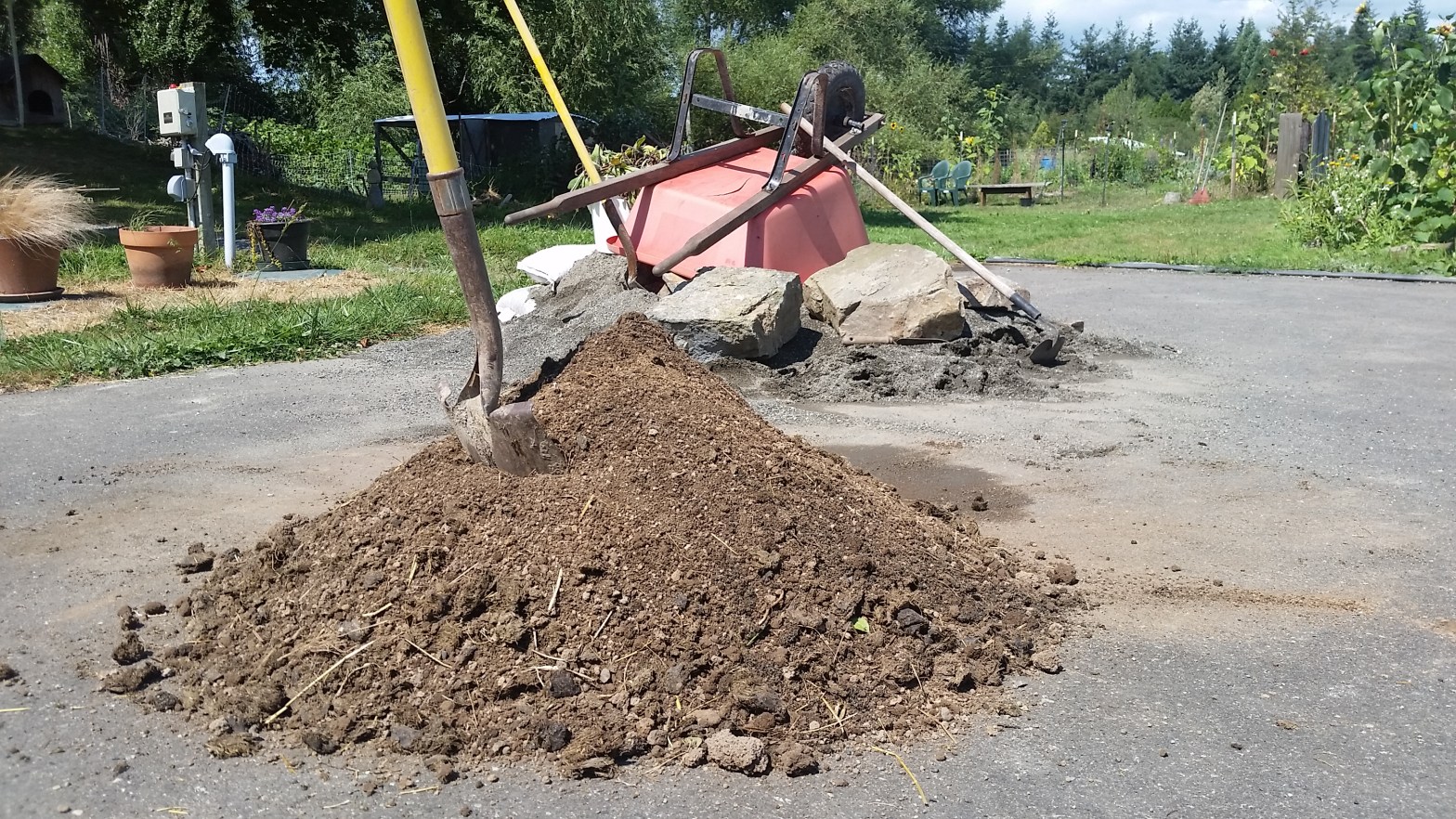
Moles, what a scourge, right? Busily making mounds in your front lawn and tunneling through the garden nibbling on roots. Gasp! Although our days of upholding a certain amount of curb appeal are over, I’m still occasionally annoyed by the active mole population here at the homestead. I like to mow grass and cut hay withContinue reading “Mole mix; making potting soil out of what you (might) have lying around.”
Better weather for hay making and ultralight bales.
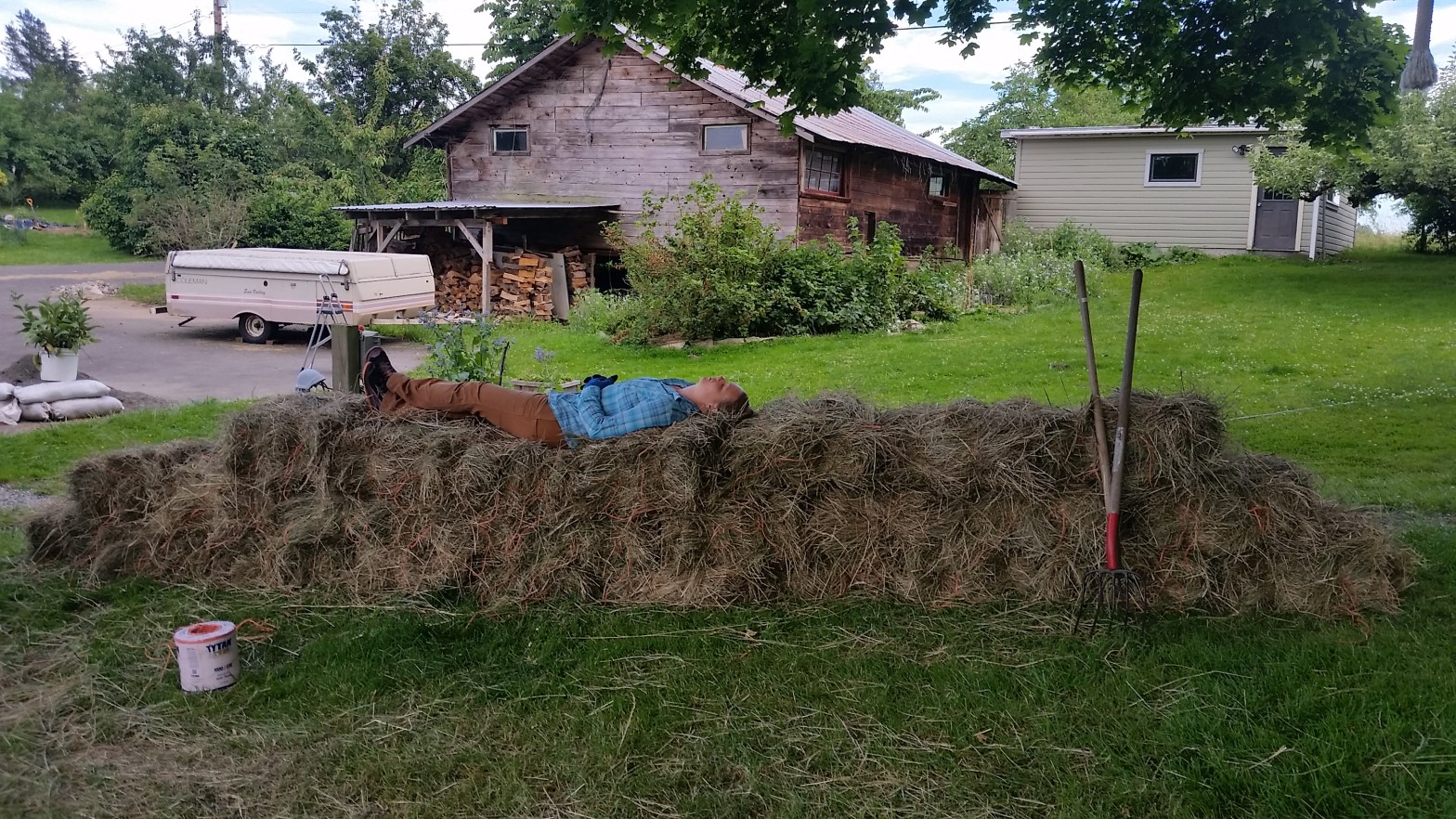
My previous batch of hay got spoiled by rains while still in the field, although it did get used as compost and mulch, so not it was not a total loss. Last week, with a clear forecast and some time off from the day job, I spent two mornings scythe cutting and a half hourContinue reading “Better weather for hay making and ultralight bales.”
Living on the Edge
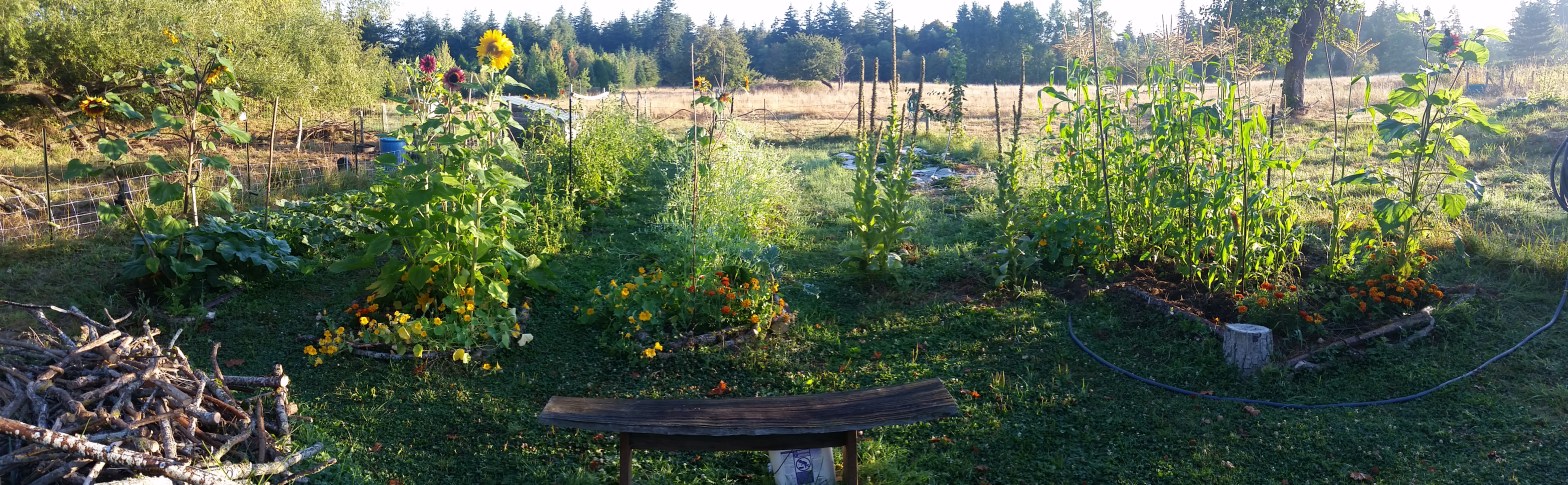
Our homestead lies on the border of the two cities: Bellingham and Ferndale. Hence, the name, Bellfern. Our short road is a less traveled and rolling one, dotted with old barns and hayfields with a wooded creek meandering across. Yet, blinking into our living room at night is a giant LED screen advertising the casino down theContinue reading “Living on the Edge”
Wattle retaining wall.
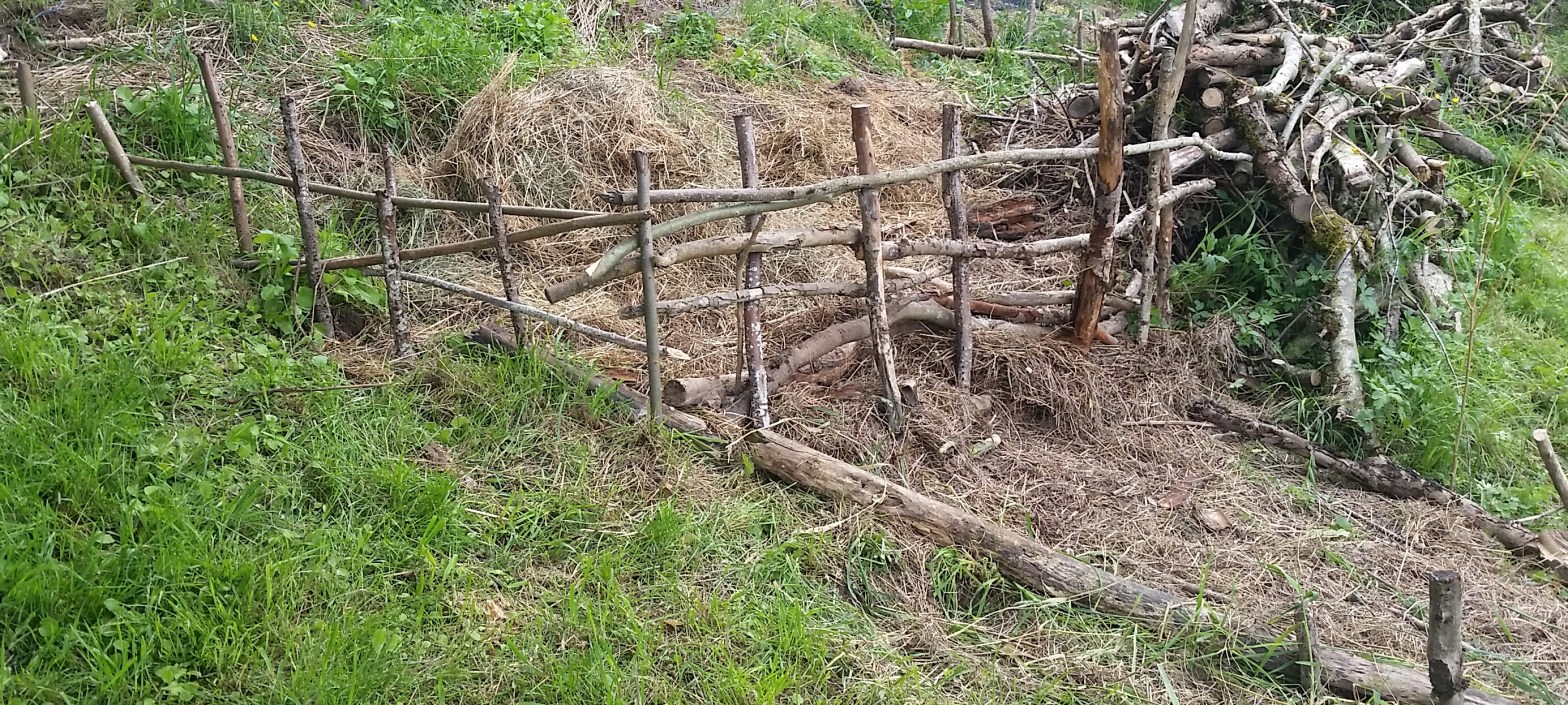
Near our house in the back is a steep weedy pugged (highly compacted) slope. Pretty much good for nothing other than a headache and poor footing. I had the idea last year to cover it with mulch to smother the weeds and perhaps level out the slope some. Well, our über free range layers (littleContinue reading “Wattle retaining wall.”
 Bellfern Homestead